
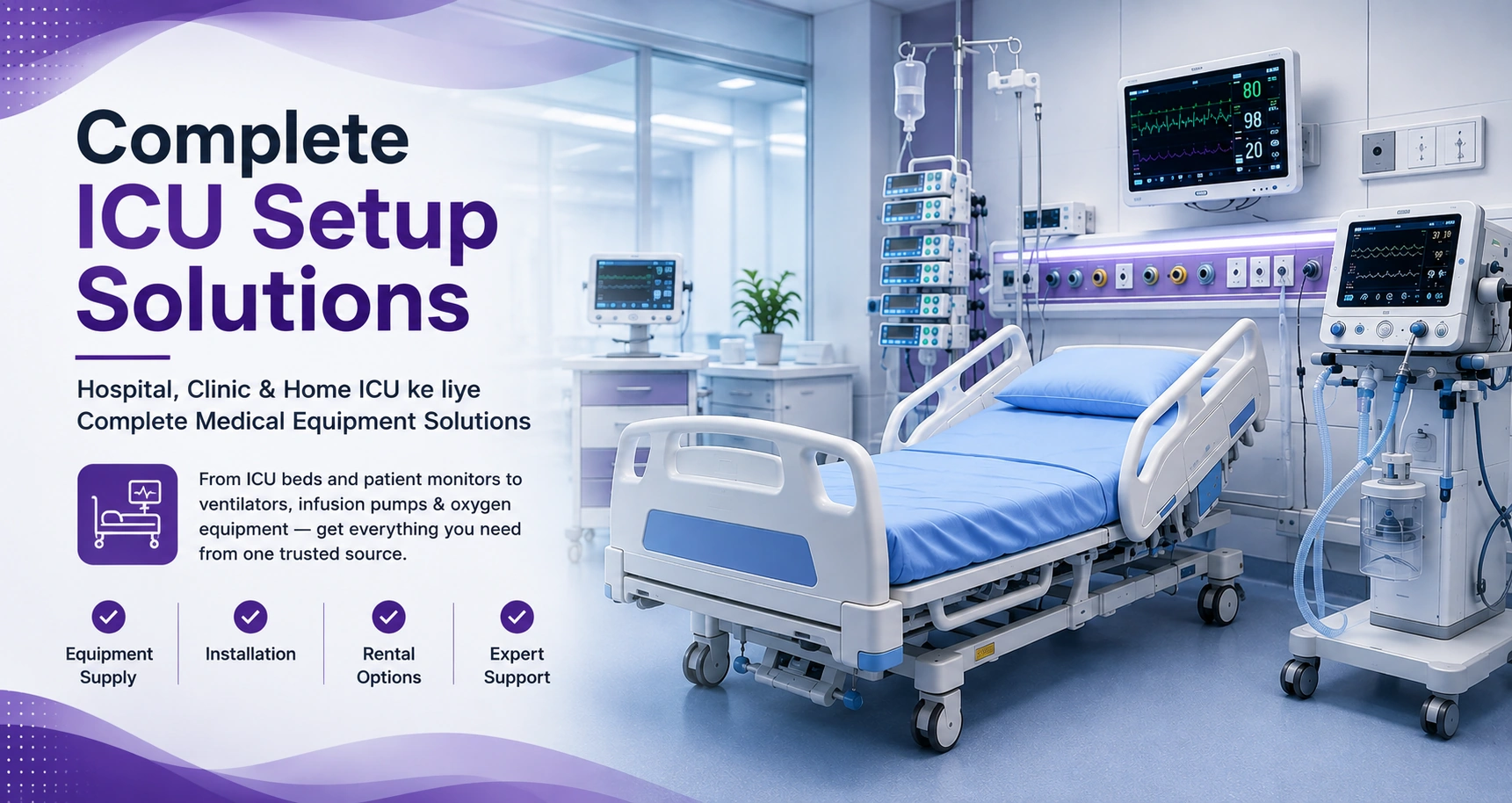
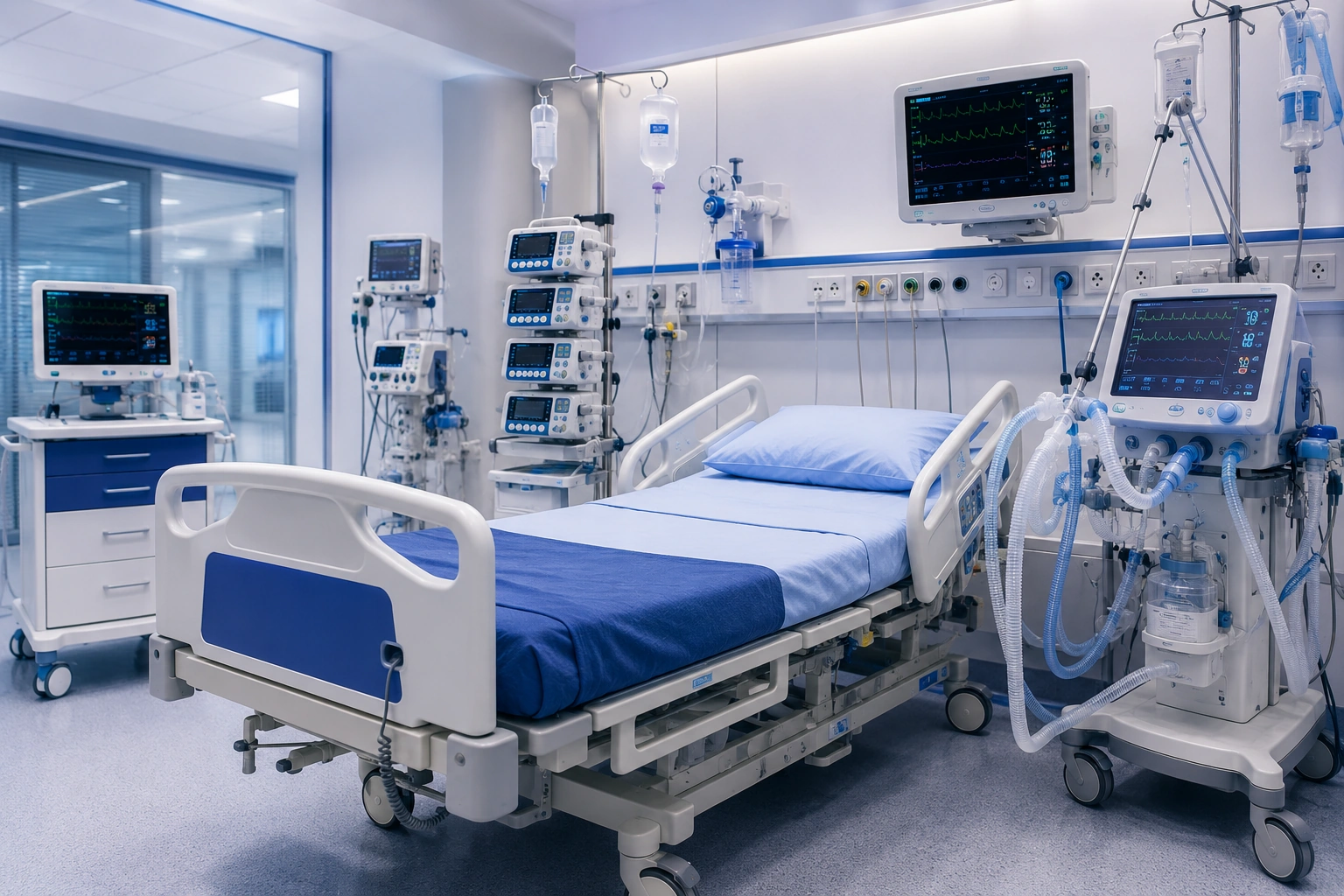
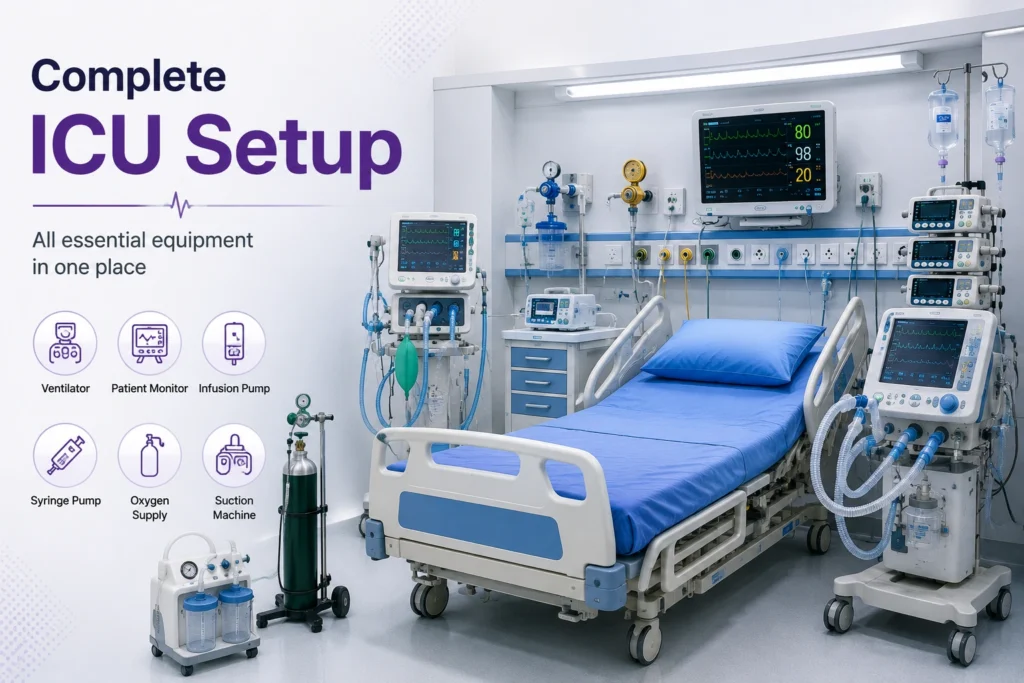
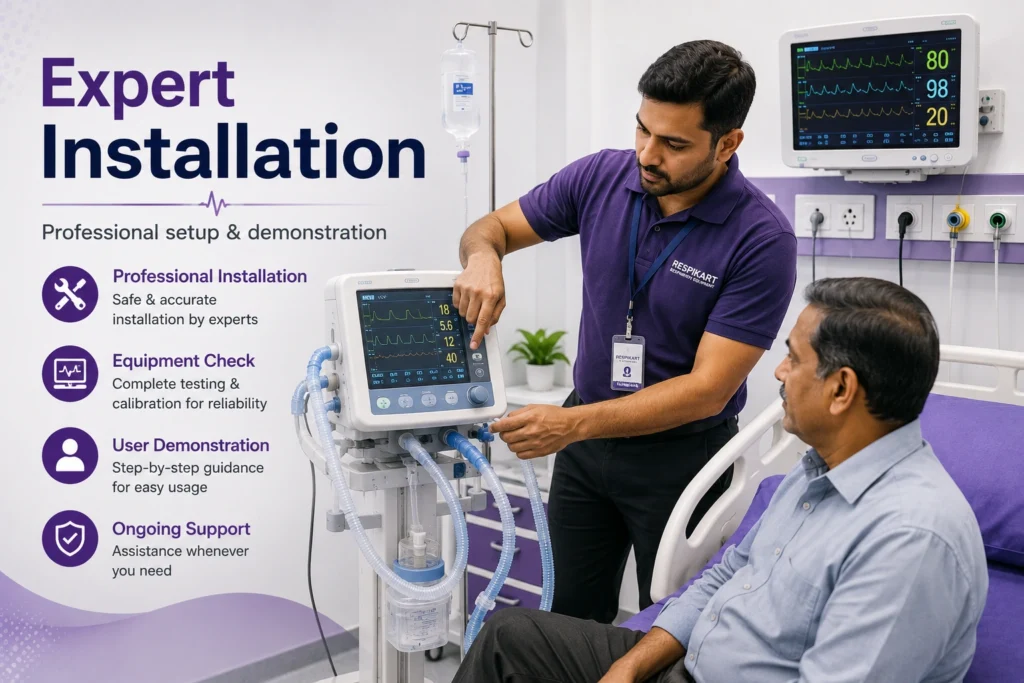
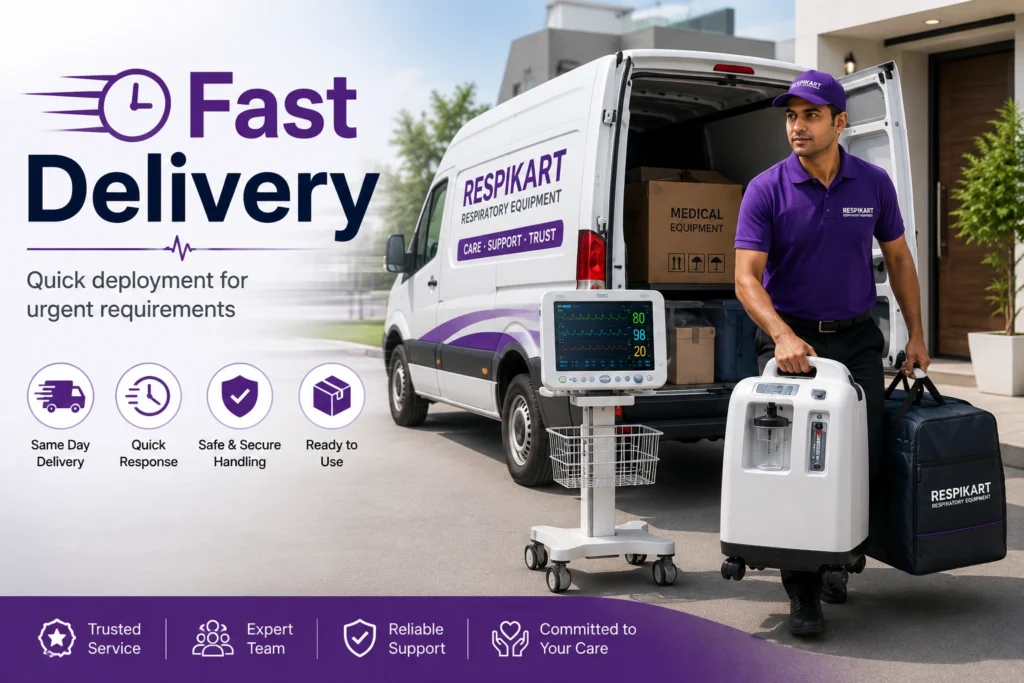
Complete ICU setup under one roof

Posted on GoogleTrustindex verifies that the original source of the review is Google. Recliner Quick delivery good for our patientPosted on GoogleTrustindex verifies that the original source of the review is Google. Nice service best price in this category Nice staff behaviourPosted on GoogleTrustindex verifies that the original source of the review is Google. Best service in best price staff was good timely deliverPosted on GoogleTrustindex verifies that the original source of the review is Google. I rent bipap machine from respikart service was good 24×7 support thanks suhail bhaiya thanks teamPosted on GoogleTrustindex verifies that the original source of the review is Google. Good service and on time delivery assured.Posted on GoogleTrustindex verifies that the original source of the review is Google. I booked manual recliner bed from respikart before some time service was good fast delivery installed professionally thanks respikartPosted on GoogleTrustindex verifies that the original source of the review is Google. Oxygen concentrator helped alot by providing oxygen and patient will makes releif after using the machine Thanks to respikart teamPosted on GoogleTrustindex verifies that the original source of the review is Google. Rented Bipap machine from respiKart few days back and received such a good service, promissing guys and helpful for old age peoplePosted on GoogleTrustindex verifies that the original source of the review is Google. We booked an electric recliner bed a while ago the service was excellent and the delivery was fast this really helped my mom thnx respikartPosted on GoogleTrustindex verifies that the original source of the review is Google. Umair came home and installed the device, very approachable & good understanding of the items. Thanks to Mr Sachin Chawla and team.
ICU Setup at Home: Complete Home ICU Care & Medical Equipment
Some patients require intensive monitoring and medical support even after leaving the hospital. When continued hospitalisation is not necessary or a doctor recommends care in a familiar environment, a home ICU setup can help create a safer and more comfortable recovery environment.
A home ICU setup is not simply about bringing medical machines home. It involves selecting the right medical equipment, appropriate hospital bed, oxygen support, monitoring devices, nursing assistance and emergency backup according to the patient's clinical requirements.
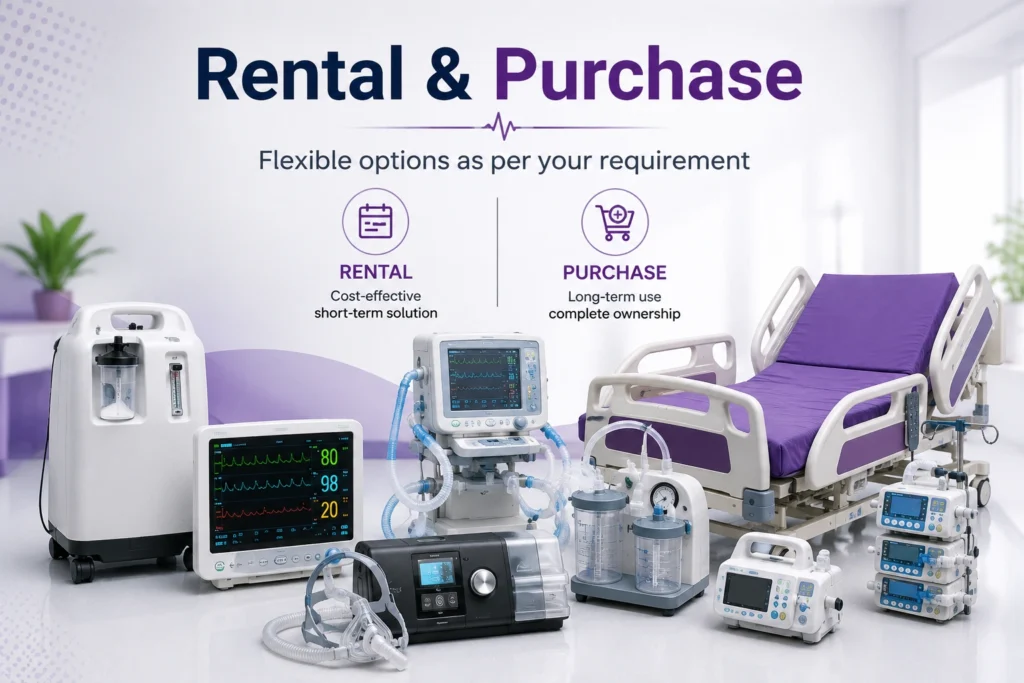
Respikart helps families arrange essential ICU and critical-care equipment on a rental and purchase basis, making the transition from hospital to home care more convenient.
Why Consider an ICU Setup at Home?
Long-term hospital stays can be physically and emotionally demanding for both patients and their families. In selected cases, home-based intensive care may allow the patient to remain close to family while receiving the equipment and monitoring recommended by the treating medical team.
A properly planned ICU setup at home can provide a familiar environment while helping families manage essential medical requirements at home. However, home ICU care should always be planned according to the patient's condition and the advice of the treating doctor.
Comfort of a Familiar Environment
Staying at home can provide a familiar environment for patients who are suitable for home-based care, surrounded by their family and regular caregivers.
Long-Term Equipment Support
Essential equipment such as oxygen concentrators, ventilators, monitors, suction machines and hospital beds can be arranged according to the care plan.
Flexible Rental Options
Renting critical medical equipment can be a practical option when equipment is required temporarily during recovery or post-hospitalisation care.
Family-Centred Care
A home ICU environment allows family members to remain closely involved while trained healthcare professionals manage the patient's clinical requirements.
What Does a Home ICU Setup Include?
The equipment required for a home ICU varies from patient to patient. The treating doctor or critical-care team should determine which devices are medically appropriate.
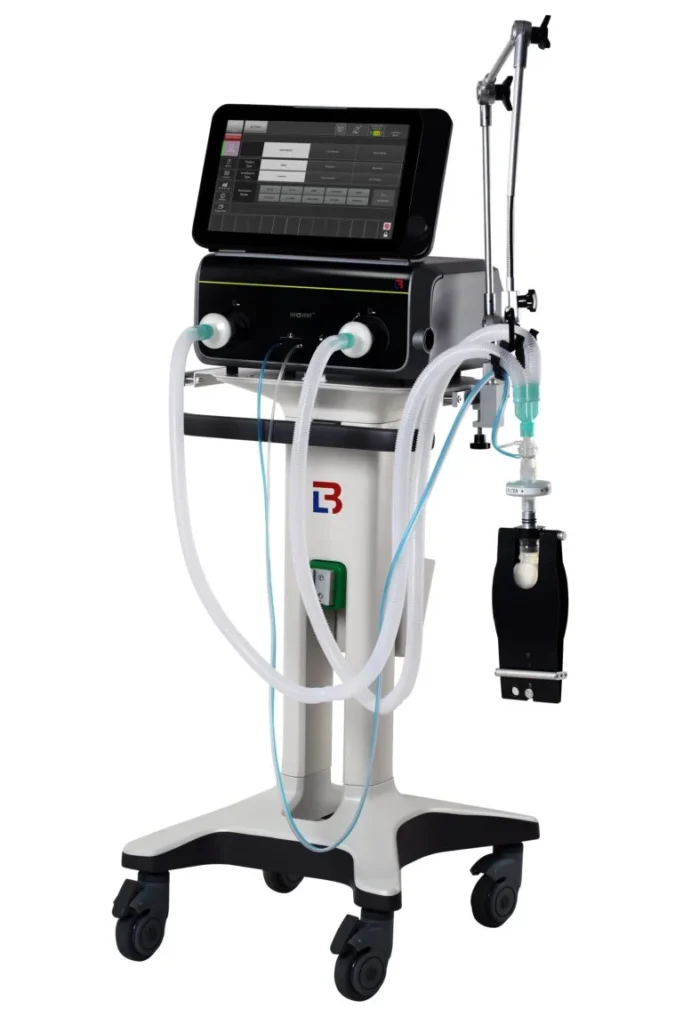
Ventilator & Respiratory Support
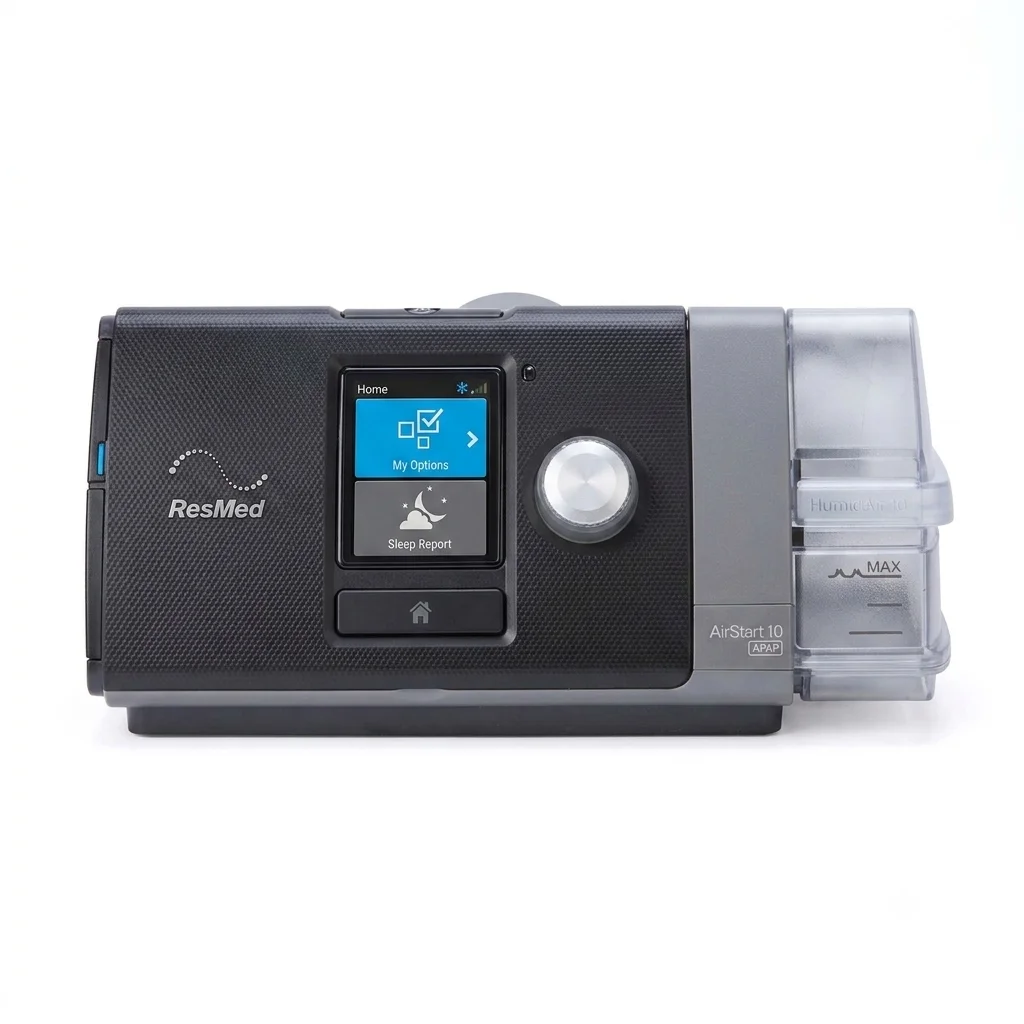
Depending on the patient's respiratory requirements, respiratory support may include a ventilator, CPAP, BiPAP or other prescribed breathing-support equipment.
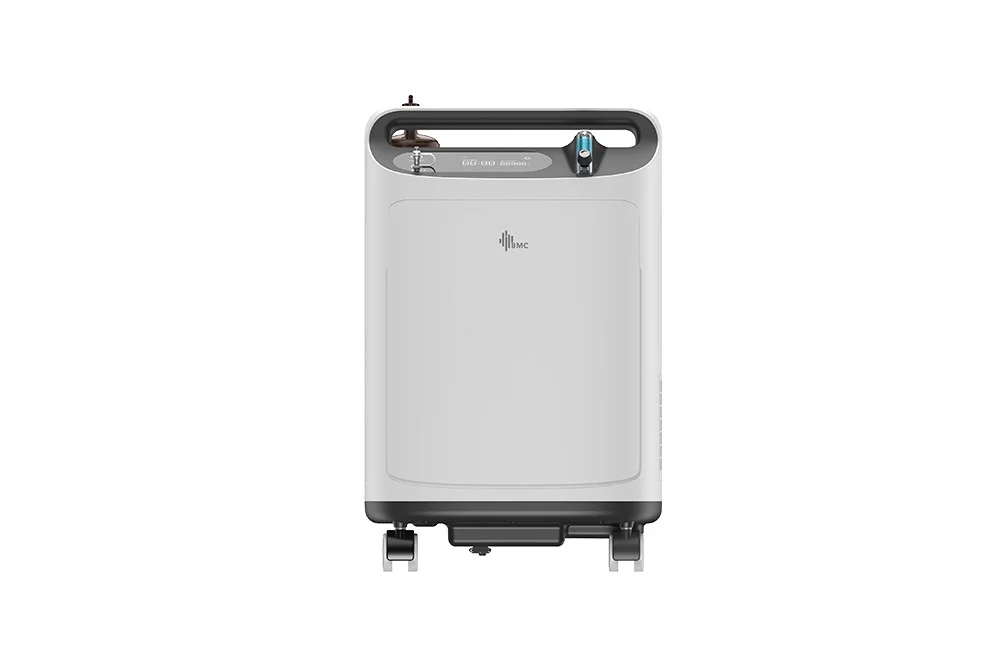
Oxygen Equipment
Oxygen concentrators or oxygen cylinders may be required when supplemental oxygen has been prescribed. The required flow rate and duration should be confirmed by the doctor.
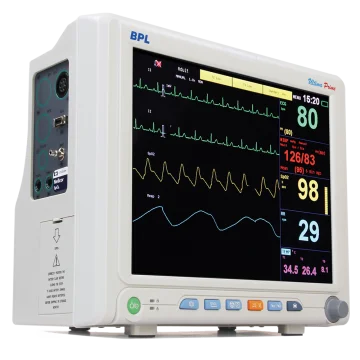
Patient Monitoring
A patient monitor or pulse oximeter can help healthcare professionals track parameters such as oxygen saturation, pulse rate, blood pressure and other vital signs as clinically required.
Suction Machine
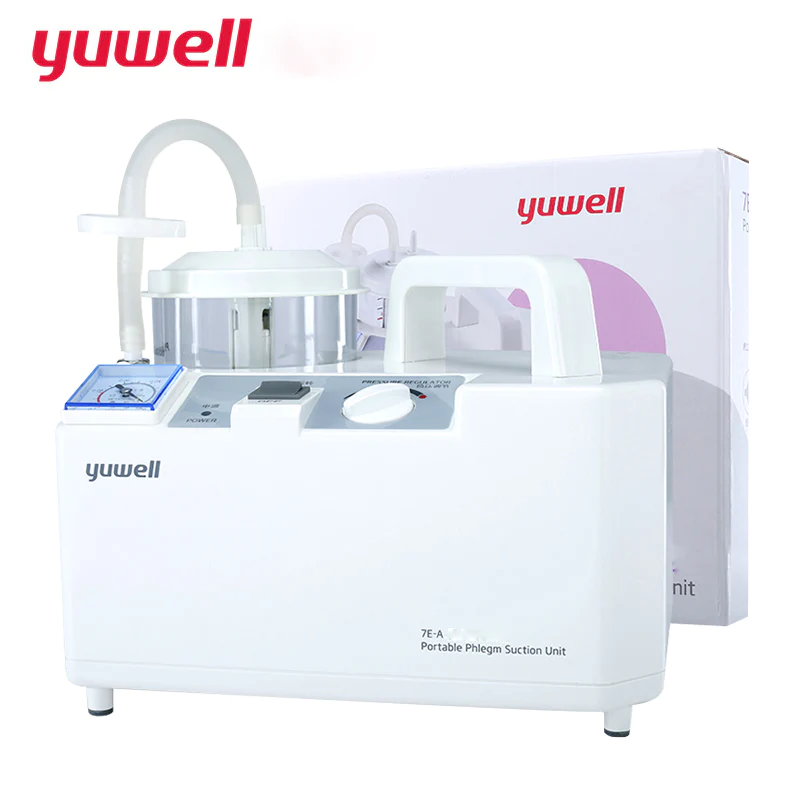
Suction equipment may be required for patients who have difficulty clearing respiratory secretions and need suctioning as part of their prescribed care.
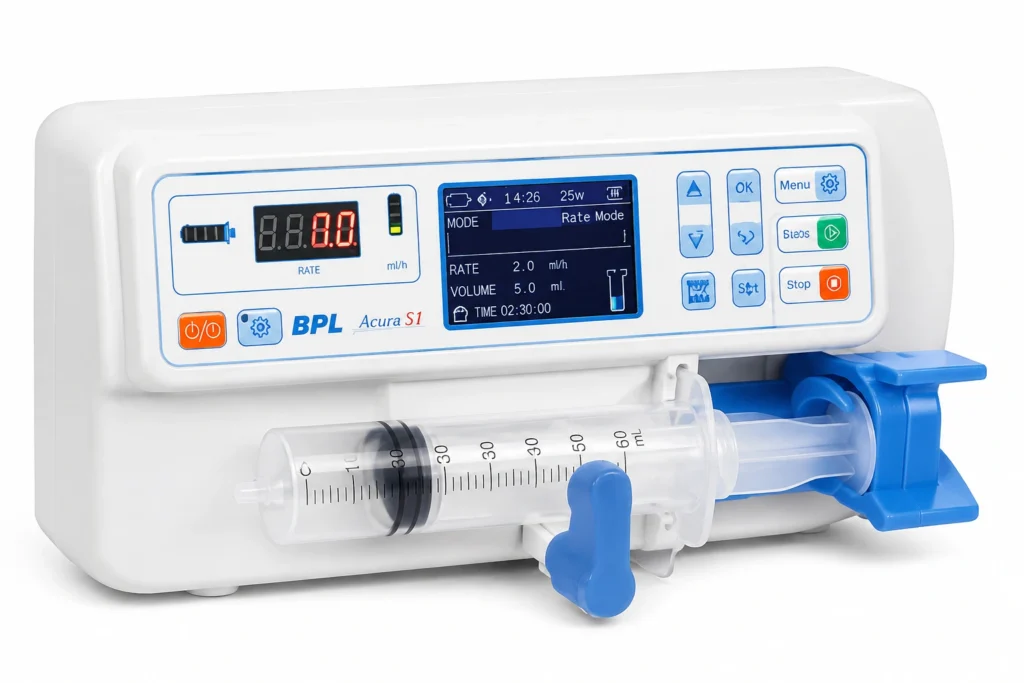
Infusion & Syringe Pumps
Infusion pumps and syringe pumps may be used when medications or fluids need to be delivered at controlled rates under medical supervision.
Hospital ICU Bed & Air Mattress
An adjustable hospital bed with an appropriate pressure-relieving mattress can make patient positioning, nursing care and daily handling more manageable.
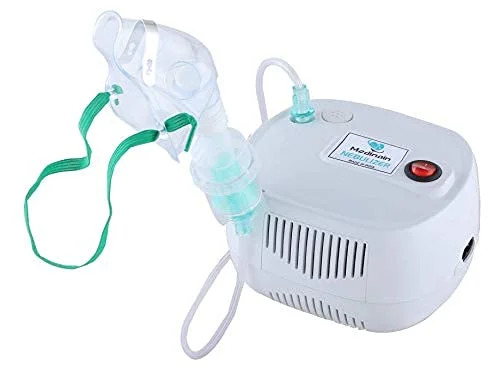
Nebulizer
A nebulizer may be used when prescribed medication needs to be delivered through inhalation. It should be used according to the doctor's instructions.
DVT & Compression Equipment
Depending on the patient's mobility and medical condition, DVT pumps or sequential compression devices may be recommended by the treating team.
Critical Care Nursing at Home
Medical equipment is only one part of a home ICU setup. For patients requiring continuous or specialised care, trained nursing support can be equally important.
Depending on the patient's condition and doctor's instructions, a critical-care nurse may assist with medication schedules, vital monitoring, patient positioning, hygiene, feeding support, equipment handling and coordination with the treating doctor.
- Monitoring vital signs as instructed by the medical team
- Following prescribed medication and care schedules
- Supporting patient hygiene and positioning
- Assisting with prescribed respiratory and medical equipment
- Maintaining proper documentation and communicating relevant changes to the doctor
Pressure Sore & Bedsore Prevention
Patients who remain in bed for prolonged periods can be at risk of pressure injuries. Therefore, appropriate positioning, skin care, hygiene, nutrition and pressure-relieving support are important components of home ICU care.
Depending on the patient's condition, an air mattress, alpha mattress or other pressure-relieving surface may be recommended. Regular repositioning and wound care should be performed according to the instructions of the treating healthcare professional.
Physiotherapy & Mobility Support
Prolonged bed rest can affect muscle strength, joint movement and overall mobility. Where medically appropriate, a physiotherapist may recommend passive or active exercises based on the patient's condition.
Physiotherapy should be customised according to the patient's medical condition, mobility level and doctor's recommendations rather than following a standard exercise routine.
Power Backup Is Essential for a Home ICU
Some home ICU devices may need continuous electrical power. Before shifting a patient home, families should assess the home's electrical capacity and arrange a suitable backup system for critical equipment.
A UPS, inverter, generator or other appropriate backup solution may be required depending on the equipment being used. The backup capacity should be planned with the equipment supplier and healthcare team.
Why Choose Respikart for Home ICU Equipment?
Respikart provides a range of medical equipment for home ICU setup on rental and purchase options. Our goal is to make it easier for families to arrange essential equipment when a patient requires continued care at home.
Complete ICU Equipment Under One Roof
From respiratory support and oxygen equipment to monitoring devices, suction machines and hospital beds, Respikart can help you arrange multiple categories of medical equipment for home care.
- CPAP & BiPAP machines
- Ventilators and respiratory support equipment
- Oxygen concentrators and oxygen cylinders
- Patient monitors and pulse oximeters
- Suction machines and nebulizers
- Electric hospital beds and ICU beds
- Air mattresses and pressure-relieving solutions
- Infusion and syringe pumps
Things to Keep in Mind Before Setting Up an ICU at Home
- Confirm with the treating doctor that home-based care is appropriate for the patient.
- Prepare a dedicated, clean and well-ventilated room for the patient and equipment.
- Arrange reliable electrical power and an adequate backup for critical equipment.
- Keep emergency contact numbers and the treating doctor's details easily accessible.
- Ensure that caregivers understand basic equipment safety and infection-control practices.
- Maintain regular hygiene and cleaning of the patient's room and frequently touched surfaces.
- Monitor the patient according to the healthcare team's instructions.
- Report any significant change in the patient's condition to the treating medical team promptly.
Important Medical Safety Note
A home ICU setup is not a replacement for emergency hospital care. The decision to shift a critically ill patient home should always be made with the treating doctor or qualified medical team. Equipment selection, oxygen flow, ventilator settings, medications and other clinical parameters should only be determined by qualified healthcare professionals.
Need Help Arranging an ICU Setup at Home?
Talk to Respikart about the medical equipment required for your home ICU setup. We can help you explore suitable rental or purchase options based on your requirement.
Explore Medical Equipment